Tired...But Not the Way I’m Used to Be
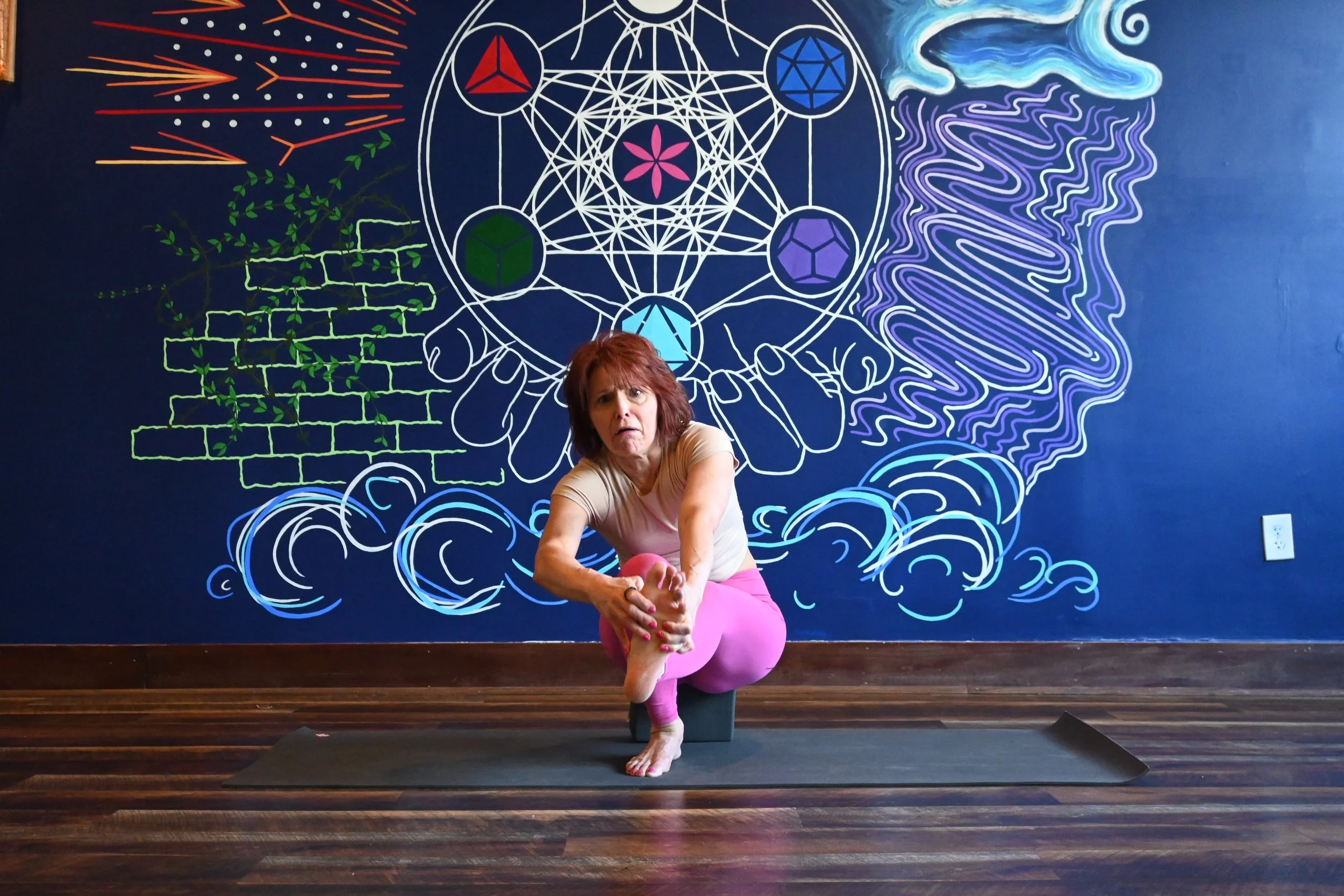
Today I'm tired.
Not the kind of tired my Oura Ring can measure. In fact, according to my readiness score, I should be ready for the day. But I know something my wearable doesn't.
Years ago I would have blamed my age. Or maybe yesterday's stressful interaction. Maybe poor sleep. Maybe hormones.
Today, I have a sneaky suspicion it's something else entirely.
I think I've become capable of doing far more than ever before. And that's where the trouble begins.
The Gift of Energy
Over the past few years I've intentionally built muscle.
That meant lifting weights when I didn't always feel like it. Eating enough protein. Recovering well. Showing up consistently.
At first, it felt like work. Now I understand the return on investment.
Muscle doesn't just help you look stronger. It is one of the most metabolically active organs in the body. Every time you challenge it, your muscles release signaling molecules called myokines that communicate with nearly every system in your body.
Your muscles literally talk to your brain.They improve glucose regulation and metabolic health. They help regulate inflammation.They support better recovery. They contribute to deeper, more restorative sleep. They improve mood, emotional resilience, and cognitive function.
They preserve the fast-twitch muscle fibers that help you get off the floor with ease, catch yourself when you stumble, climb stairs effortlessly, and move through life with a little more spring in your step.
In other words, muscle gives back far more than strength. Muscle mass gives you vitality.
And vitality changes your life.
The Unexpected Challenge
Here's what I didn't anticipate. Because I can do more...I do.
I teach one more class. Answer one more email. Finish one more project. Clean one more thing.
Then, because crossing another item off the list feels good, my brain gives me a little hit of dopamine. "You're getting so much done." "Keep going." Without realizing it, I slip into an old mental program.
When you have energy, Susan...do more.
That isn't a productivity problem. It's a nervous system pattern.
Somewhere along the way I learned that accomplishment equals success. That doing creates connection. That productivity earns belonging.
My stronger body simply gave that old pathway more fuel.
Seeing the Pattern Changes Everything
This isn't another article about productivity or self-care.
It's about recognizing the unconscious mental states we slip into without even realizing it.
Sometimes our greatest growth isn't found in becoming more effective.
Sometimes it's found in seeing the pattern that's been quietly running us for years. Today I can see mine.
And once you see a pathway, you no longer have to keep walking it.
My New End-of-Day Practice
I already know how I'll recover tonight. I'll prioritize sleep.
But tomorrow at 4:00 p.m., something more important is on my calendar.
Brain & Heart Coherence Meditation.
Research from the HeartMath Institute suggests that intentionally creating coherence between the heart and brain through slow breathing, heart-focused attention, and feelings of compassion helps regulate the autonomic nervous system, improves emotional resilience, and supports recovery from stress.
The science matters. But what matters more to me is what happens afterward.
When I finish this meditation, I don't feel the urge to squeeze one more thing into the day.
The practice itself becomes the final item on my list. And that changes everything.
Instead of chasing another dopamine hit from another accomplishment, I spend a few minutes cultivating compassion for myself and allowing that feeling to spread through my body. I stop doing. I start being.
I've decided to practice Brain & Heart Coherence every day—not because it's another habit to master, but because it's the practice that tells my nervous system, "We're done now. You've done enough." It marks the end of my workday. I am choosing contentment over one more accomplishment.
I think that's a pretty smart addition to my daily schedule.
Maybe the smartest one.
A Lesson From Momentum
One of the unexpected lessons from building the Momentum program is that vitality isn't the finish line.
Yes, we want stronger muscles, better sleep, sharper minds, healthier metabolism, and more energy to enjoy our lives.
But if we're not careful, we'll use that new vitality to simply do more of what has always exhausted us.
The real work isn't just building energy. It's learning how to live differently because we have it.
For me, Momentum isn't just about creating a stronger body.
It's about creating a life where that strength allows me to choose presence over pressure, being over doing, and contentment over one more thing on the list.
That feels like real momentum.
References
Severinsen, M. C. K., & Pedersen, B. K. (2020). Muscle–Organ Crosstalk: The Emerging Roles of Myokines. Endocrine Reviews.
Rai, M., & Demontis, F. (2022). Muscle-to-Brain Signaling Via Myokines and Myometabolites. Trends in Endocrinology & Metabolism.
Gomes da Silva, S., et al. (2021). How Does Skeletal Muscle Communicate with the Brain in Health and Disease?
HeartMath Institute. Research on Heart–Brain Coherence and Psychophysiological Coherence demonstrating improvements in autonomic regulation, emotional resilience, and stress recovery through heart-focused breathing and positive emotional states.
